!!! DEVELOPMENT MODE !!!

Σύγχρονες έρευνες DNA από μεγάλα πανεπιστήμια αποδεικνύουν ότι οι σημερινοί Έλληνες είναι άμεσοι απόγονοι των αρχαίων

Ιστορικά γεγονότα, καταστάσεις, αναδρομές
Άβαταρ μέλους
ΑΛΟΓΟΜΟΥΡΗΣ
Δημοσιεύσεις: 23695
Εγγραφή: 28 Ιουν 2018, 23:56
Phorum.gr user: ΑΛΟΓΟΜΟΥΡΗΣ

Σύγχρονες έρευνες DNA από μεγάλα πανεπιστήμια αποδεικνύουν ότι οι σημερινοί Έλληνες είναι άμεσοι απόγονοι των αρχαίων

Μη αναγνωσμένη δημοσίευση από ΑΛΟΓΟΜΟΥΡΗΣ »

The Greeks really do have near-mythical origins, ancient DNA reveals
Analysis connects Greeks to the famed Mycenaeans and Minoans
2 AUG 2017BYANN GIBBONS

Ever since the days of Homer, Greeks have long idealized their Mycenaean "ancestors" in epic poems and classic tragedies that glorify the exploits of Odysseus, King Agamemnon, and other heroes who went in and out of favor with the Greek gods. Although these Mycenaeans were fictitious, scholars have debated whether today's Greeks descend from the actual Mycenaeans, who created a famous civilization that dominated mainland Greece and the Aegean Sea from about 1600 B.C.E. to 1200 B.C.E., or whether the ancient Mycenaeans simply vanished from the region.

Now, ancient DNA suggests that living Greeks are indeed the descendants of Mycenaeans, with only a small proportion of DNA from later migrations to Greece. And the Mycenaeans themselves were closely related to the earlier Minoans, the study reveals, another great civilization that flourished on the island of Crete from 2600 B.C.E. to 1400 B.C.E. (named for the mythical King Minos).


The ancient DNA comes from the teeth of 19 people, including 10 Minoans from Crete dating to 2900 B.C.E. to 1700 BCE, four Mycenaeans from the archaeological site at Mycenae and other cemeteries on the Greek mainland dating from 1700 B.C.E. to 1200 B.C.E., and five people from other early farming or Bronze Age (5400 B.C.E. to 1340 B.C.E.) cultures in Greece and Turkey. By comparing 1.2 million letters of genetic code across these genomes to those of 334 other ancient people from around the world and 30 modern Greeks, the researchers were able to plot how the individuals were related to each other.

The ancient Mycenaeans and Minoans were most closely related to each other, and they both got three-quarters of their DNA from early farmers who lived in Greece and southwestern Anatolia, which is now part of Turkey, the team reports today in Nature. Both cultures additionally inherited DNA from people from the eastern Caucasus, near modern-day Iran, suggesting an early migration of people from the east after the early farmers settled there but before Mycenaeans split from Minoans.

The Mycenaeans did have an important difference: They had some DNA—4% to 16%—from northern ancestors who came from Eastern Europe or Siberia. This suggests that a second wave of people from the Eurasian steppe came to mainland Greece by way of Eastern Europe or Armenia, but didn't reach Crete, says Iosif Lazaridis, a population geneticist at Harvard University who co-led the study.


Not surprisingly, the Minoans and Mycenaeans looked alike, both carrying genes for brown hair and brown eyes. Artists in both cultures painted dark-haired, dark-eyed people on frescoes and pottery who resemble each other, although the two cultures spoke and wrote different languages. The Mycenaeans were more militaristic, with art replete with spears and images of war, whereas Minoan art showed few signs of warfare, Lazaridis says. Because the Minoans script used hieroglyphics, some archaeologists thought they were partly Egyptian, which turns out to be false.

When the researchers compared the DNA of modern Greeks to that of ancient Mycenaeans, they found a lot of genetic overlap. Modern Greeks share similar proportions of DNA from the same ancestral sources as Mycenaeans, although they have inherited a little less DNA from ancient Anatolian farmers and a bit more DNA from later migrations to Greece.

The continuity between the Mycenaeans and living people is "particularly striking given that the Aegean has been a crossroads of civilizations for thousands of years," says co-author George Stamatoyannopoulos of the University of Washington in Seattle. This suggests that the major components of the Greeks' ancestry were already in place in the Bronze Age, after the migration of the earliest farmers from Anatolia set the template for the genetic makeup of Greeks and, in fact, most Europeans. "The spread of farming populations was the decisive moment when the major elements of the Greek population were already provided," says archaeologist Colin Renfrew of the University of Cambridge in the United Kingdom, who was not involved in the work.

The results also show it is possible to get ancient DNA from the hot, dry landscape of the eastern Mediterranean, Renfrew says. He and others now have hope for getting DNA from groups such as the mysterious Hittites who came to ancient Anatolia sometime before 2000 B.C.E. and who may have been the source of Caucasian ancestry in Mycenaeans and early Indo-European languages in the region. Archaeologist Kristian Kristiansen of the University of Gothenburg in Sweden, who was not involved in the work, agrees. "The results have now opened up the next chapter in the genetic history of western Eurasia—that of the Bronze Age Mediterranean."

*Update, 11 August, 10:23 a.m.: This article has been updated with information to clarify the genetic connection between modern Greeks and ancient Mycenaeans.
https://www.science.org/content/article ... na-reveals

τώρα μπορείτε να βάλετε την 200 ετών μελέτη του ανθέλληνα Φαλμεράυερ στο πάτο σας
ευχαριστώ πολύ

"Ο φασισμός δεν είναι ιδεολογία, είναι νοοτροπία."
Τζίμης Πανούσης
Άβαταρ μέλους
The Socialist
Δημοσιεύσεις: 5968
Εγγραφή: 04 Ιαν 2021, 18:32

Re: Σύγχρονες έρευνες DNA από μεγάλα πανεπιστήμια αποδεικνύουν ότι οι σημερινοί Έλληνες είναι άμεσοι απόγονοι των αρχαίω

Μη αναγνωσμένη δημοσίευση από The Socialist »

ΑΛΟΓΟΜΟΥΡΗΣ έγραψε: 28 Οκτ 2021, 12:00
The Greeks really do have near-mythical origins, ancient DNA reveals
Analysis connects Greeks to the famed Mycenaeans and Minoans
2 AUG 2017BYANN GIBBONS

Ever since the days of Homer, Greeks have long idealized their Mycenaean "ancestors" in epic poems and classic tragedies that glorify the exploits of Odysseus, King Agamemnon, and other heroes who went in and out of favor with the Greek gods. Although these Mycenaeans were fictitious, scholars have debated whether today's Greeks descend from the actual Mycenaeans, who created a famous civilization that dominated mainland Greece and the Aegean Sea from about 1600 B.C.E. to 1200 B.C.E., or whether the ancient Mycenaeans simply vanished from the region.

Now, ancient DNA suggests that living Greeks are indeed the descendants of Mycenaeans, with only a small proportion of DNA from later migrations to Greece. And the Mycenaeans themselves were closely related to the earlier Minoans, the study reveals, another great civilization that flourished on the island of Crete from 2600 B.C.E. to 1400 B.C.E. (named for the mythical King Minos).


The ancient DNA comes from the teeth of 19 people, including 10 Minoans from Crete dating to 2900 B.C.E. to 1700 BCE, four Mycenaeans from the archaeological site at Mycenae and other cemeteries on the Greek mainland dating from 1700 B.C.E. to 1200 B.C.E., and five people from other early farming or Bronze Age (5400 B.C.E. to 1340 B.C.E.) cultures in Greece and Turkey. By comparing 1.2 million letters of genetic code across these genomes to those of 334 other ancient people from around the world and 30 modern Greeks, the researchers were able to plot how the individuals were related to each other.

The ancient Mycenaeans and Minoans were most closely related to each other, and they both got three-quarters of their DNA from early farmers who lived in Greece and southwestern Anatolia, which is now part of Turkey, the team reports today in Nature. Both cultures additionally inherited DNA from people from the eastern Caucasus, near modern-day Iran, suggesting an early migration of people from the east after the early farmers settled there but before Mycenaeans split from Minoans.

The Mycenaeans did have an important difference: They had some DNA—4% to 16%—from northern ancestors who came from Eastern Europe or Siberia. This suggests that a second wave of people from the Eurasian steppe came to mainland Greece by way of Eastern Europe or Armenia, but didn't reach Crete, says Iosif Lazaridis, a population geneticist at Harvard University who co-led the study.


Not surprisingly, the Minoans and Mycenaeans looked alike, both carrying genes for brown hair and brown eyes. Artists in both cultures painted dark-haired, dark-eyed people on frescoes and pottery who resemble each other, although the two cultures spoke and wrote different languages. The Mycenaeans were more militaristic, with art replete with spears and images of war, whereas Minoan art showed few signs of warfare, Lazaridis says. Because the Minoans script used hieroglyphics, some archaeologists thought they were partly Egyptian, which turns out to be false.

When the researchers compared the DNA of modern Greeks to that of ancient Mycenaeans, they found a lot of genetic overlap. Modern Greeks share similar proportions of DNA from the same ancestral sources as Mycenaeans, although they have inherited a little less DNA from ancient Anatolian farmers and a bit more DNA from later migrations to Greece.

The continuity between the Mycenaeans and living people is "particularly striking given that the Aegean has been a crossroads of civilizations for thousands of years," says co-author George Stamatoyannopoulos of the University of Washington in Seattle. This suggests that the major components of the Greeks' ancestry were already in place in the Bronze Age, after the migration of the earliest farmers from Anatolia set the template for the genetic makeup of Greeks and, in fact, most Europeans. "The spread of farming populations was the decisive moment when the major elements of the Greek population were already provided," says archaeologist Colin Renfrew of the University of Cambridge in the United Kingdom, who was not involved in the work.

The results also show it is possible to get ancient DNA from the hot, dry landscape of the eastern Mediterranean, Renfrew says. He and others now have hope for getting DNA from groups such as the mysterious Hittites who came to ancient Anatolia sometime before 2000 B.C.E. and who may have been the source of Caucasian ancestry in Mycenaeans and early Indo-European languages in the region. Archaeologist Kristian Kristiansen of the University of Gothenburg in Sweden, who was not involved in the work, agrees. "The results have now opened up the next chapter in the genetic history of western Eurasia—that of the Bronze Age Mediterranean."

*Update, 11 August, 10:23 a.m.: This article has been updated with information to clarify the genetic connection between modern Greeks and ancient Mycenaeans.
https://www.science.org/content/article ... na-reveals

τώρα μπορείτε να βάλετε την 200 ετών μελέτη του ανθέλληνα Φαλμεράυερ στο πάτο σας
ευχαριστώ πολύ

Πήξε και περίμενε να βάλω δηλώσεις Καιριδη για παιδιά Οθωμανων.
Άβαταρ μέλους
Τζιτζιμιτζιχότζιρας
Δημοσιεύσεις: 13039
Εγγραφή: 10 Απρ 2020, 15:13
Phorum.gr user: 2.Χόρχε ντελ Σάλτο 1.Brainstorm
Τοποθεσία: Ίδρυμα

Re: Σύγχρονες έρευνες DNA από μεγάλα πανεπιστήμια αποδεικνύουν ότι οι σημερινοί Έλληνες είναι άμεσοι απόγονοι των αρχαίω

Μη αναγνωσμένη δημοσίευση από Τζιτζιμιτζιχότζιρας »

ΑΛΟΓΟΜΟΥΡΗΣ έγραψε: 28 Οκτ 2021, 12:00 The Greeks really do have near-mythical origins, ancient DNA reveals

Ever since the days of Homer, ....
Σταμάτησα να διαβάζω εδώ. Πάω να ανοίξω έναν κεσέ τζατζίκι και να βάλω λίγο ούζο.
Σταματογιαννόπουλο θα διαβάσομε πιστεύω.
Φιλαράκι, αν κάποιος μπει φορουμάκι από μαγκιά ή από αδυναμία κάποιας στιγμής, πάει, τελείωσε.
Άβαταρ μέλους
ΑΛΟΓΟΜΟΥΡΗΣ
Δημοσιεύσεις: 23695
Εγγραφή: 28 Ιουν 2018, 23:56
Phorum.gr user: ΑΛΟΓΟΜΟΥΡΗΣ

Re: Σύγχρονες έρευνες DNA από μεγάλα πανεπιστήμια αποδεικνύουν ότι οι σημερινοί Έλληνες είναι άμεσοι απόγονοι των αρχαίω

Μη αναγνωσμένη δημοσίευση από ΑΛΟΓΟΜΟΥΡΗΣ »

The Socialist έγραψε: 28 Οκτ 2021, 12:04

Πήξε και περίμενε να βάλω δηλώσεις Καιριδη για παιδιά Οθωμανων.
κλασικός αριστερός, αγνοεί επιδεικτικά την επιστήμη όταν τα δεδομένα που παρουσιάζει δεν συνάδουν με το αφήγημά του :lol:
"Ο φασισμός δεν είναι ιδεολογία, είναι νοοτροπία."
Τζίμης Πανούσης
Άβαταρ μέλους
ΑΛΟΓΟΜΟΥΡΗΣ
Δημοσιεύσεις: 23695
Εγγραφή: 28 Ιουν 2018, 23:56
Phorum.gr user: ΑΛΟΓΟΜΟΥΡΗΣ

Re: Σύγχρονες έρευνες DNA από μεγάλα πανεπιστήμια αποδεικνύουν ότι οι σημερινοί Έλληνες είναι άμεσοι απόγονοι των αρχαίω

Μη αναγνωσμένη δημοσίευση από ΑΛΟΓΟΜΟΥΡΗΣ »

Τζιτζιμιτζιχότζιρας έγραψε: 28 Οκτ 2021, 12:05
ΑΛΟΓΟΜΟΥΡΗΣ έγραψε: 28 Οκτ 2021, 12:00 The Greeks really do have near-mythical origins, ancient DNA reveals

Ever since the days of Homer, ....
Σταμάτησα να διαβάζω εδώ. Πάω να ανοίξω έναν κεσέ τζατζίκι και να βάλω λίγο ούζο.
Σταματογιαννόπουλο θα διαβάσομε πιστεύω.

ελπίζω να γράψεις και όταν τελειώσεις την ανάγνωση
"Ο φασισμός δεν είναι ιδεολογία, είναι νοοτροπία."
Τζίμης Πανούσης
Άβαταρ μέλους
nyxtovios
Δημοσιεύσεις: 18409
Εγγραφή: 15 Ιουν 2018, 19:14

Re: Σύγχρονες έρευνες DNA από μεγάλα πανεπιστήμια αποδεικνύουν ότι οι σημερινοί Έλληνες είναι άμεσοι απόγονοι των αρχαίω

Μη αναγνωσμένη δημοσίευση από nyxtovios »

The Socialist έγραψε: 28 Οκτ 2021, 12:05
Και τι είναι αυτός για να τον πάρουμε στα σοβαρά; Όσο σχέση έχει με επιστήμη αυτός έχει και ο σκύλος μου.
Τελευταία επεξεργασία από το μέλος nyxtovios την 28 Οκτ 2021, 12:07, έχει επεξεργασθεί 1 φορά συνολικά.
Άβαταρ μέλους
nostromos
Δημοσιεύσεις: 27462
Εγγραφή: 12 Ιούλ 2018, 22:06
Phorum.gr user: nostromos

Re: Σύγχρονες έρευνες DNA από μεγάλα πανεπιστήμια αποδεικνύουν ότι οι σημερινοί Έλληνες είναι άμεσοι απόγονοι των αρχαίω

Μη αναγνωσμένη δημοσίευση από nostromos »

ανθΕλληνες πηζετε...?
η προσοχη μας στο Καστελοριζο
Άβαταρ μέλους
ΑΛΟΓΟΜΟΥΡΗΣ
Δημοσιεύσεις: 23695
Εγγραφή: 28 Ιουν 2018, 23:56
Phorum.gr user: ΑΛΟΓΟΜΟΥΡΗΣ

Re: Σύγχρονες έρευνες DNA από μεγάλα πανεπιστήμια αποδεικνύουν ότι οι σημερινοί Έλληνες είναι άμεσοι απόγονοι των αρχαίω

Μη αναγνωσμένη δημοσίευση από ΑΛΟΓΟΜΟΥΡΗΣ »

nyxtovios έγραψε: 28 Οκτ 2021, 12:07
The Socialist έγραψε: 28 Οκτ 2021, 12:05
Και τι είναι αυτός για να τον πάρουμε στα σοβαρά; Όσο σχέση έχει με επιστήμη αυτός έχει και ο σκύλος μου.
αυτόν τον ψηφίσανε δεξιοί
"Ο φασισμός δεν είναι ιδεολογία, είναι νοοτροπία."
Τζίμης Πανούσης
Άβαταρ μέλους
panos291
Δημοσιεύσεις: 15854
Εγγραφή: 02 Απρ 2018, 19:36

Re: Σύγχρονες έρευνες DNA από μεγάλα πανεπιστήμια αποδεικνύουν ότι οι σημερινοί Έλληνες είναι άμεσοι απόγονοι των αρχαίω

Μη αναγνωσμένη δημοσίευση από panos291 »

ΑΛΟΓΟΜΟΥΡΗΣ έγραψε: 28 Οκτ 2021, 12:06
The Socialist έγραψε: 28 Οκτ 2021, 12:04

Πήξε και περίμενε να βάλω δηλώσεις Καιριδη για παιδιά Οθωμανων.
κλασικός αριστερός, αγνοεί επιδεικτικά την επιστήμη όταν τα δεδομένα που παρουσιάζει δεν συνάδουν με το αφήγημά του :lol:
Για ποιο λογο χαιρονται οι αριστεροι οταν καποιος τους βγαζει τουρκοσπορους? :-?
Άβαταρ μέλους
Τζιτζιμιτζιχότζιρας
Δημοσιεύσεις: 13039
Εγγραφή: 10 Απρ 2020, 15:13
Phorum.gr user: 2.Χόρχε ντελ Σάλτο 1.Brainstorm
Τοποθεσία: Ίδρυμα

Re: Σύγχρονες έρευνες DNA από μεγάλα πανεπιστήμια αποδεικνύουν ότι οι σημερινοί Έλληνες είναι άμεσοι απόγονοι των αρχαίω

Μη αναγνωσμένη δημοσίευση από Τζιτζιμιτζιχότζιρας »

ΑΛΟΓΟΜΟΥΡΗΣ έγραψε: 28 Οκτ 2021, 12:06
Τζιτζιμιτζιχότζιρας έγραψε: 28 Οκτ 2021, 12:05
ΑΛΟΓΟΜΟΥΡΗΣ έγραψε: 28 Οκτ 2021, 12:00 The Greeks really do have near-mythical origins, ancient DNA reveals

Ever since the days of Homer, ....
Σταμάτησα να διαβάζω εδώ. Πάω να ανοίξω έναν κεσέ τζατζίκι και να βάλω λίγο ούζο.
Σταματογιαννόπουλο θα διαβάσομε πιστεύω.

ελπίζω να γράψεις και όταν τελειώσεις την ανάγνωση
περσινά ξινά σταφύλια. Που έλεγε και ο Όμηρος.
Φιλαράκι, αν κάποιος μπει φορουμάκι από μαγκιά ή από αδυναμία κάποιας στιγμής, πάει, τελείωσε.
Georg Von Balkanen
Δημοσιεύσεις: 1646
Εγγραφή: 04 Σεπ 2019, 11:33

Re: Σύγχρονες έρευνες DNA από μεγάλα πανεπιστήμια αποδεικνύουν ότι οι σημερινοί Έλληνες είναι άμεσοι απόγονοι των αρχαίω

Μη αναγνωσμένη δημοσίευση από Georg Von Balkanen »

ΑΛΟΓΟΜΟΥΡΗΣ έγραψε: 28 Οκτ 2021, 12:00
The Greeks really do have near-mythical origins, ancient DNA reveals
Analysis connects Greeks to the famed Mycenaeans and Minoans
2 AUG 2017BYANN GIBBONS

Ever since the days of Homer, Greeks have long idealized their Mycenaean "ancestors" in epic poems and classic tragedies that glorify the exploits of Odysseus, King Agamemnon, and other heroes who went in and out of favor with the Greek gods. Although these Mycenaeans were fictitious, scholars have debated whether today's Greeks descend from the actual Mycenaeans, who created a famous civilization that dominated mainland Greece and the Aegean Sea from about 1600 B.C.E. to 1200 B.C.E., or whether the ancient Mycenaeans simply vanished from the region.

Now, ancient DNA suggests that living Greeks are indeed the descendants of Mycenaeans, with only a small proportion of DNA from later migrations to Greece. And the Mycenaeans themselves were closely related to the earlier Minoans, the study reveals, another great civilization that flourished on the island of Crete from 2600 B.C.E. to 1400 B.C.E. (named for the mythical King Minos).


The ancient DNA comes from the teeth of 19 people, including 10 Minoans from Crete dating to 2900 B.C.E. to 1700 BCE, four Mycenaeans from the archaeological site at Mycenae and other cemeteries on the Greek mainland dating from 1700 B.C.E. to 1200 B.C.E., and five people from other early farming or Bronze Age (5400 B.C.E. to 1340 B.C.E.) cultures in Greece and Turkey. By comparing 1.2 million letters of genetic code across these genomes to those of 334 other ancient people from around the world and 30 modern Greeks, the researchers were able to plot how the individuals were related to each other.

The ancient Mycenaeans and Minoans were most closely related to each other, and they both got three-quarters of their DNA from early farmers who lived in Greece and southwestern Anatolia, which is now part of Turkey, the team reports today in Nature. Both cultures additionally inherited DNA from people from the eastern Caucasus, near modern-day Iran, suggesting an early migration of people from the east after the early farmers settled there but before Mycenaeans split from Minoans.

The Mycenaeans did have an important difference: They had some DNA—4% to 16%—from northern ancestors who came from Eastern Europe or Siberia. This suggests that a second wave of people from the Eurasian steppe came to mainland Greece by way of Eastern Europe or Armenia, but didn't reach Crete, says Iosif Lazaridis, a population geneticist at Harvard University who co-led the study.


Not surprisingly, the Minoans and Mycenaeans looked alike, both carrying genes for brown hair and brown eyes. Artists in both cultures painted dark-haired, dark-eyed people on frescoes and pottery who resemble each other, although the two cultures spoke and wrote different languages. The Mycenaeans were more militaristic, with art replete with spears and images of war, whereas Minoan art showed few signs of warfare, Lazaridis says. Because the Minoans script used hieroglyphics, some archaeologists thought they were partly Egyptian, which turns out to be false.

When the researchers compared the DNA of modern Greeks to that of ancient Mycenaeans, they found a lot of genetic overlap. Modern Greeks share similar proportions of DNA from the same ancestral sources as Mycenaeans, although they have inherited a little less DNA from ancient Anatolian farmers and a bit more DNA from later migrations to Greece.

The continuity between the Mycenaeans and living people is "particularly striking given that the Aegean has been a crossroads of civilizations for thousands of years," says co-author George Stamatoyannopoulos of the University of Washington in Seattle. This suggests that the major components of the Greeks' ancestry were already in place in the Bronze Age, after the migration of the earliest farmers from Anatolia set the template for the genetic makeup of Greeks and, in fact, most Europeans. "The spread of farming populations was the decisive moment when the major elements of the Greek population were already provided," says archaeologist Colin Renfrew of the University of Cambridge in the United Kingdom, who was not involved in the work.

The results also show it is possible to get ancient DNA from the hot, dry landscape of the eastern Mediterranean, Renfrew says. He and others now have hope for getting DNA from groups such as the mysterious Hittites who came to ancient Anatolia sometime before 2000 B.C.E. and who may have been the source of Caucasian ancestry in Mycenaeans and early Indo-European languages in the region. Archaeologist Kristian Kristiansen of the University of Gothenburg in Sweden, who was not involved in the work, agrees. "The results have now opened up the next chapter in the genetic history of western Eurasia—that of the Bronze Age Mediterranean."

*Update, 11 August, 10:23 a.m.: This article has been updated with information to clarify the genetic connection between modern Greeks and ancient Mycenaeans.
https://www.science.org/content/article ... na-reveals

τώρα μπορείτε να βάλετε την 200 ετών μελέτη του ανθέλληνα Φαλμεράυερ στο πάτο σας
ευχαριστώ πολύ
Μάλλον δεν καταλαβαίνεις τι διαβάζεις. Δεύτερον, οι ελληνες πρέπει να είναι ο μόνος λαός στον πλανήτη που χρειάζονται τέτοιες έρευνες του κωλου. Λογικό, αφού στον καθρέφτη βλέπουν έναν μιγα.
Άβαταρ μέλους
nyxtovios
Δημοσιεύσεις: 18409
Εγγραφή: 15 Ιουν 2018, 19:14

Re: Σύγχρονες έρευνες DNA από μεγάλα πανεπιστήμια αποδεικνύουν ότι οι σημερινοί Έλληνες είναι άμεσοι απόγονοι των αρχαίω

Μη αναγνωσμένη δημοσίευση από nyxtovios »

ΑΛΟΓΟΜΟΥΡΗΣ έγραψε: 28 Οκτ 2021, 12:09
nyxtovios έγραψε: 28 Οκτ 2021, 12:07
The Socialist έγραψε: 28 Οκτ 2021, 12:05
Και τι είναι αυτός για να τον πάρουμε στα σοβαρά; Όσο σχέση έχει με επιστήμη αυτός έχει και ο σκύλος μου.
αυτόν τον ψηφίσανε δεξιοί
Εννοείται, δεν έχουν και καμία διαφορά από τους συριζαιους έτσι και αλλιώς
Άβαταρ μέλους
nostromos
Δημοσιεύσεις: 27462
Εγγραφή: 12 Ιούλ 2018, 22:06
Phorum.gr user: nostromos

Re: Σύγχρονες έρευνες DNA από μεγάλα πανεπιστήμια αποδεικνύουν ότι οι σημερινοί Έλληνες είναι άμεσοι απόγονοι των αρχαίω

Μη αναγνωσμένη δημοσίευση από nostromos »

μετά τη χθεσινοβραδυνη ψωλιά μαζεύτηκαν όλοι να κλαψομουνιασουνε με ανοησίες...πηξτε ελευθερα
η προσοχη μας στο Καστελοριζο
Άβαταρ μέλους
Τζιτζιμιτζιχότζιρας
Δημοσιεύσεις: 13039
Εγγραφή: 10 Απρ 2020, 15:13
Phorum.gr user: 2.Χόρχε ντελ Σάλτο 1.Brainstorm
Τοποθεσία: Ίδρυμα

Re: Σύγχρονες έρευνες DNA από μεγάλα πανεπιστήμια αποδεικνύουν ότι οι σημερινοί Έλληνες είναι άμεσοι απόγονοι των αρχαίω

Μη αναγνωσμένη δημοσίευση από Τζιτζιμιτζιχότζιρας »

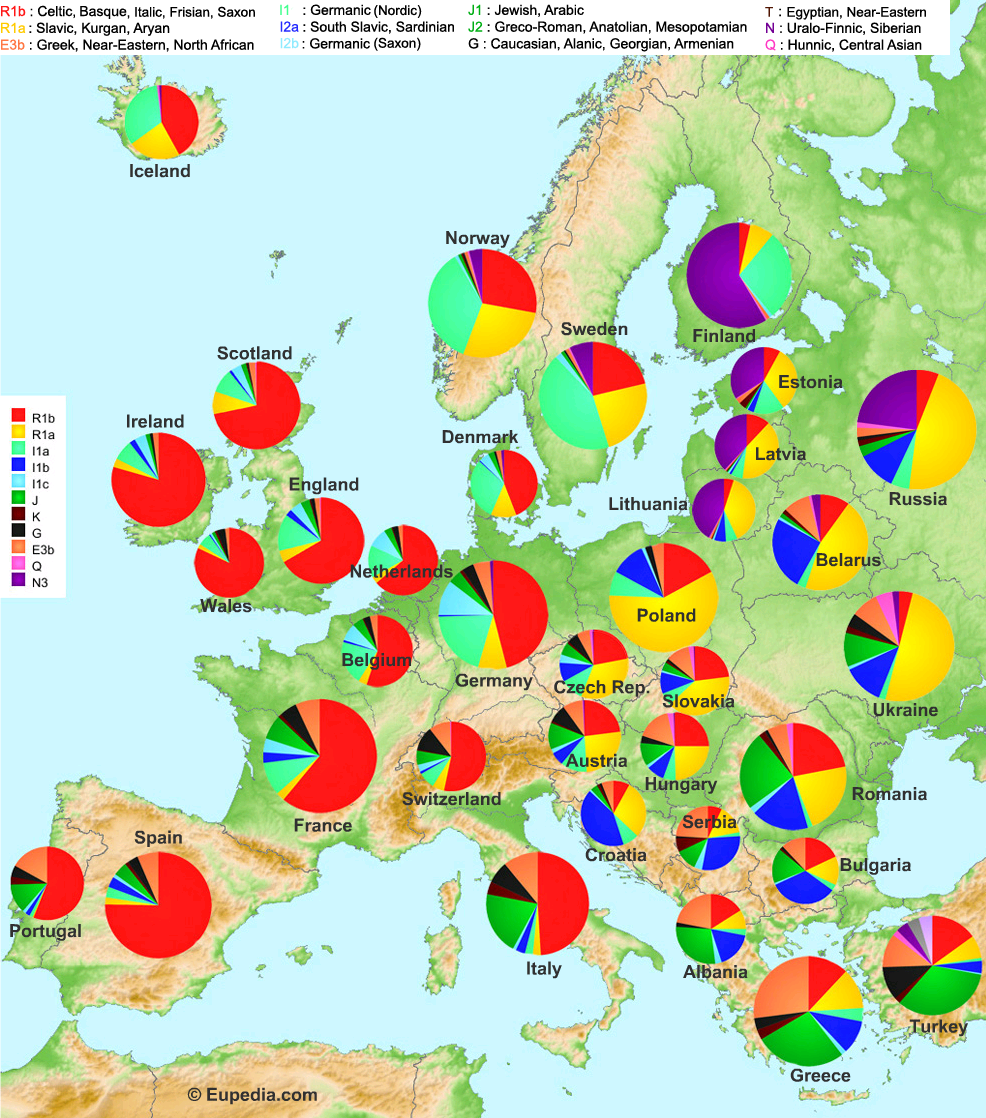
Εικόνα
Φιλαράκι, αν κάποιος μπει φορουμάκι από μαγκιά ή από αδυναμία κάποιας στιγμής, πάει, τελείωσε.
Απάντηση
  • Παραπλήσια Θέματα
    Απαντήσεις
    Προβολές
    Τελευταία δημοσίευση

Επιστροφή στο “Ιστορία”