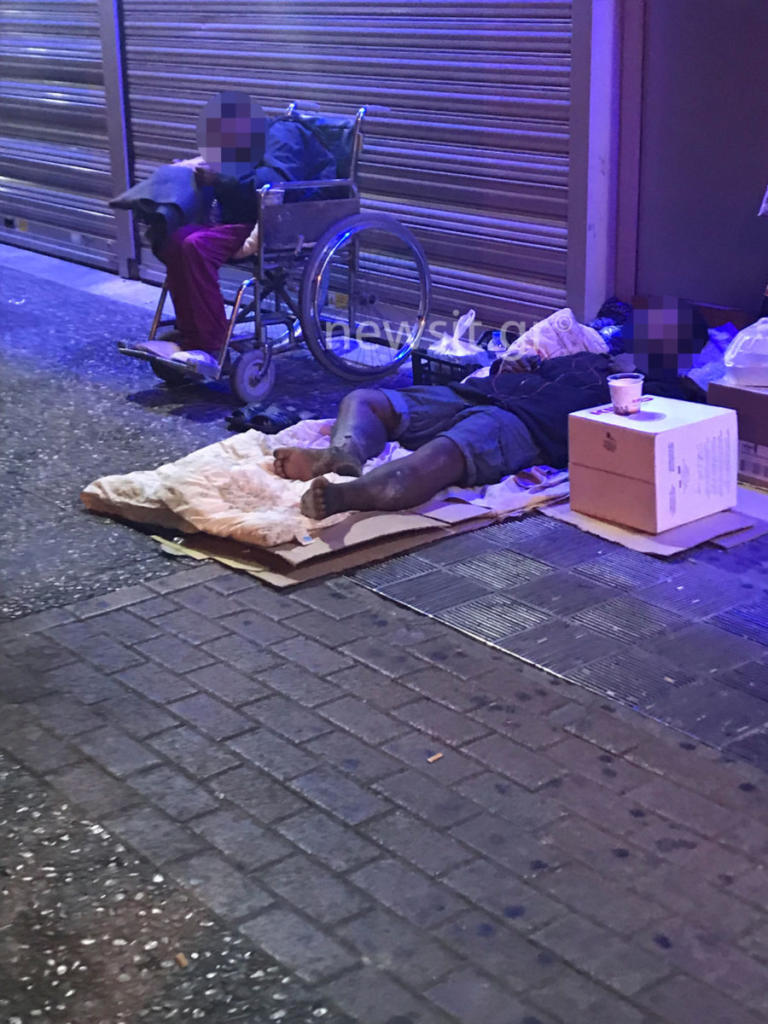
Χα, χα, χα ''βόθρος'' είπε ο γύφτος. Άιντε θα αρχίσω από κάτω. Σοβαρά λες ότι με πονάει, διότι ξέρω ότι είναι αλήθεια; Μα καλά είσαι, ρε γαμώτο

; Πως θα στηρίζω ανθρώπους που μας μισούν; Πχ θυμάσαι πριν κάπου 4 χρόνια, νομίζω ότι ήτανε, ότι δεν θα πάω ποτέ ξανά στο γυφτικο μπουρδέλο εκεί κάτω; Οι γερμανοί μας άριοι φίλοι και αδελφοί είναι οι μανάδικοί που μας έχουν βοηθήσει. Εδάφη, χρήματα, όπλα μέχρι το τέλος όταν τους προδώσαμε. Πραγματικά λυπάμαι που κάναμε αυτά που κάναμε. Τέλος πάντων λάβαμε αυτό που αξίζαμε για την προδοσία μας. Ήταν οι πιο μαύρες μέρες στην ιστορία μας.
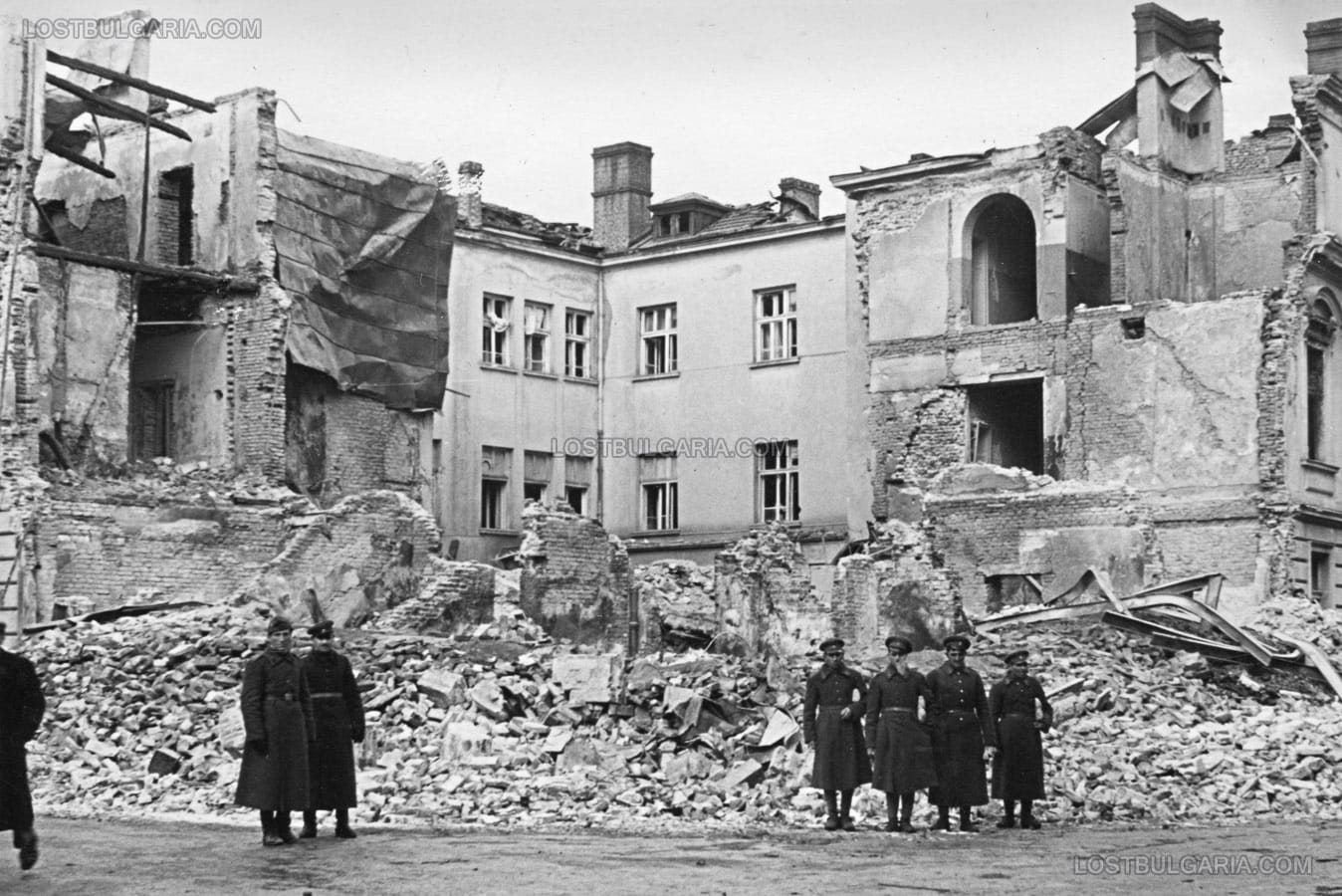
Λοιπόν, πουστιδάκη μου τίποτα δε λες για τους δυτικούς δολοφόνους που κατάστρεψαν τη Σόφια. Μα τι άλλο μπορώ να αναμένω; Βίντεο με υπότιτλους για τον άλλο γύφτο.
 https://www.youtube.com/watch?v=BWXNFrPy8y0
Και τελευταία περιθώριο λέει. Τι περιθώριο, ρε γαμώτο; Όλοι οι μορφωμένοι άνθρωποι εδώ ξέρουν πώς μας βοήθησαν οι αδελφοί μας. Και τι κάναμε στο τέλος.
Και βέβαια είσαι ρατσιστής και μισείς τους βούλγαρους. Δεν έχεις το mental capacity να το καταλάβεις. Μόνο λέγοντας για τη ''γύφτικη'' Μακεντόνια δείχνεις το μίσος σου. Η Μακεντόνια μπορεί να είναι μόνο βουλγαρική! Άιντε στο διάολο με τους αμερικανούς. Πες κάτι για τους βούλγαρους που σκοτώσατε, ρε βρωμικε, ακαθαρτε γύφτε! Ντροπή για όλους εσάς σκουπίδια που ακόμα δεν έχετε παραδεχθεί αυτό το έγγραφο!
It was a prosperous town (Κούκουsh) of 13,000 inhabitants, the center of a purely
Bulgarian district and the seat of several flourishing schools. The bent stand-
ards of its electric lamps still testify to the efforts which it had made to attain a
level of material progress unusual in Turkey. That its destruction was deliber-
ate admits of no doubt. The great majority of the inhabitants fled before the
arrival of the Greeks. About four hundred, chiefly old people and children, had
found shelter in the Catholic orphanage, and were not molested. European eye
witnesses describe the systematic entry of the Greek soldiers into house after
house. Any of the inhabitants who were found inside were first evicted, pillage
followed, and then, usually after a slight explosion, the house burst into flames.
Fugitives continued to arrive in the orphanage while the town was burning, and
several women stated that they had been violated by Greek soldiers. In one
case a soldier, more chivalrous than his comrades, brought a woman to the or-
phanage whom he had saved from violation. Some civilians were killed by the
Greek cavalry as they rode in, and many lives were lost in the course of the
sacking and burning of Kukush. We have received a detailed list from a Bul-
garian source of seventy-four inhabitants who are believed to have been killed.
Most of them are old women, and eleven are babies.
The main fact on which we must insist is that the Greek army inaugurated
the second war by the deliberate burning of a Bulgarian town. A singular fact
which has some bearing on Greek policy is that the refugees who took shelter
in the French orphanage were still, on September 6, long after the conclusion of
peace, closely confined as prisoners within it, though hardly a man among them
is capable of bearing arms. A notice in Greek on its outer door states that they
are forbidden to leave its precincts. Meanwhile, Greek (or rather "Grecoman")
refugees from Strumnitsa were being installed on the sites of the houses which
once belonged to Bulgarians, and in the few buildings (perhaps a dozen in num-
ber) which escaped the flames. The inference is irresistible. In conquering the
Kukush district, the Greeks were resolved to have no Bulgarian subjects.
The precedent of Kukush was only too faithfully followed in the villages.
In the Caza (county) of Kukush alone no less than forty Bulgarian villages were
burned by the Greek army in its northward march. (See Appendix C, No. 52.)
Detachments of cavalry went from village to village, and the work of the regulars
was completed by bashi-bazouks. It was a part of the Greek plan of campaign
to use the local Turkish population as an instrument in the work of devastation.
In some cases they were armed and even provided with uniforms. (See Appen-
dix C, No. 43.) (Αφού είστε αδελφοί ασιάτες! Βρώμικα σκουπίδια) In no instance, however, of which we have a record were the
Turks solely responsible for the burning of a village. They followed the Greek
troops and acted under their protection. We have no means of ascertaining
whether any general order was given which regulated the burning of the Bulga-
rian villages. A Greek sergeant among the prisoners of war in Sofia, stated in
reply to a question which a member of the Commission put to him, that he and
his comrades burned the villages around Kukush because the inhabitants had fled.
Mito Kolev is an intelligent boy of fourteen, who comes from the Bulgarian
village Gavaliantsi, in the Kukush district. He fled with most of his neighbors
in the first alarm after the Bulgarian defeat at Kukush, but returned next day
to fetch his mother, who had remained behind. Outside the village a Greek
trooper fired at him but missed him. The lad had the wit to feign death. As
he lay on the ground, his mother was shot and killed by the same cavalryman.
He saw another lad killed, and the same trooper then went in pursuit of a crippled
girl. Of her fate Mito, who clearly distinguished between what he saw and
what he suspected, knew nothing, but another witness (Lazar Tomov) chanced
to see the corpse of this girl (Appendix B, No. 25). Mito's subsequent adven-
tures were told very clearly and in great detail. The essential points are (1) that
he saw his village burned, and (2) that another Greek cavalryman whom he met
later in the day all but killed him with a revolver shot and a saber cut at close
quarters, while he spared a by-stander who was able by his command of the lan-
guage to pass himself off as a Greek. The material corroboration of this story is,
that Mito still bore the marks of his wounds. A shot wound may be accidental,
but a saber wound can only be given deliberately and at close quarters. A trooper
who wounds a boy with his sword can not plead error. He must have been en-
gaged in indiscriminate butchery. Of this particular squad of Greek cavalry, it is
not too much to say that they were slaughtering Bulgarian peasants at sight, and
that they spared neither women nor children.
Αρκετά είναι; Αύριο θα βάλω αλλά και επειδή κάποιο συμπαρασιτο σου θα πει:"Όμως οι βούλγαροι έκαναν...'' βάζω και άλλο απόσπασμα από το έγγραφο.
Thursday, during the night,
four guns were posted on the hill Dutli, which commands Serres, and next morning
about eight o'clock the bombardment began and created an enormous panic. Soon
more than 500 infantry, several groups of cavalry, numbering ten each, and fifty comitadjis entered the town (Σιαρ), armed with bombs, and the atrocities began. Among
the soldiers several officers were recognized, including Dr. Yankov, secretary of Gen-
eral Voulkov and councilor of the government, and the late chief of police Kara-
giosov and Orfaniev, chief of the gendarmerie of Serres. Clearly there was a
well-arranged plan. The doors of the houses and shops were opened with sticks
tipped with iron, with which the soldiers were provided. The buildings were entered
and pillaged; the booty was loaded on some hundred wagons, specially got together
for this purpose. Then the houses, emptied one by one, were sprinkled with petro-
leum and other inflammable substances and fire put to them. By an application of
the law of the economy of effort, in each group of three houses, only the middle
one was set on fire, clearly in the belief that the wind, which was blowing with
violence, would complete the work of destruction. The soldiers fired on the inhab-
itants who attempted to save the burning houses, consulates, and foreign buildings.
Και τώρα τι άλλο να πω εκτός από: Κρίμα που κάποιοι από τους γύφτους έσωσαν τις άθλιες τους ζωές.
Nandros έγραψε: 20 Ιουν 2019, 23:28
Μα γιατί να μάθεις βουλγαρικά, οι γύφτοι δεν τα χρειάζονται.
Θα είμαι σύντομος με σένα, γύφτε.
''Ασιατική'' διότι πιθανόν είσαι από εκείνους τους ασιάτες που ήρθαν να ζουν στη Μακεντόνια των προγόνων μου. Μήπως από τους άραβες στα νησιά, ή τους γυφτοαλβανες. Δεν αποκλείεται να είσαι γκρεκομάνος προδότης. Αυτό θα εξηγήσει πολύ.
Τι ήπιαμε, ρε μαλάκα; Το 1913 σας έσωσαν οι ρουμάνοι, μετά ήταν λάθος των γερμανών να μην σας πνίξουμε στη θάλασσα. Τότε είχατε και τους άγγλους και γάλλους. Δηλαδή ένας λαός από πραγματικούς στρατιώτες.
Οι άριοι αδελφοί μας δε μας μίσησαν, αλλά ντάξει το είπα στον άλλο γύφτο.
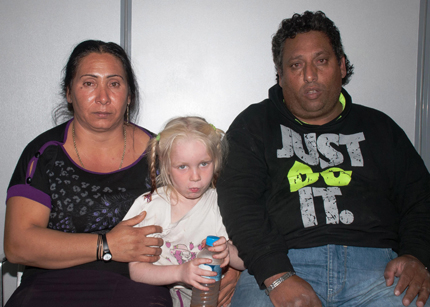
Τελευταία για τη φωτογραφία. Μα τι βλάκας είσαι
; Γιατί μου το δείχνεις με αυτά τα βρώμικα ζώα; Αυτοί είναι γύφτοι σαν εσένα. Δεν είναι βούλγαροι. Βούλγαρος γεννιέσαι δεν γίνεσαι ποτέ! Βλέπεις εδώ πραγματικά αριοπούλα;

Ακόμα όταν ήταν το πρόβλημα με αυτό το ''πλάσμα'' σας ειπα ότι δεν έχει καμία σχέση με τους βουγλάρους. Και βέβαια θα πουλάν τα παιδιά τους αφού είναι Untermenschen. Αυτά δεν καταλαβαίνουν τη σημασία των λέξεων "τιμή'', ''πίστη'', ''πατρίδα''. Το πρόβλημα είναι αλλού.Γιατί εσείς τα αγοράζετε; Εδώ κανένας άριος δεν θα κοιτάξει. Τι; Σας μοιάζουν; Δηλαδή βλέπεις στα βρώμικα τους πρόσωπα το δικό σου; Καμία έκπληξη. Τέλος πάντων πρέπει να σας ευχαριστούμε γιατί μειώνετε τον αριθμό τους. Οι ευρωπούστηδες δε μας αφήσουν να τους σκοτώσουμε.
Άιντε παράσιτα, πρέπει να πάω στο φόρουμ του Ružomberok, θα παίξουμε με αυτούς στο Εουροπα Λιιγκ. Ένας φίλος τους έχει γράψει: "Ο καλός μας Kύριος σας δημιούργησε για να είστε σκλάβοι των γερμανών και οι γυναίκες σας να τους εξυπηρετουν.'' Κλαίω.