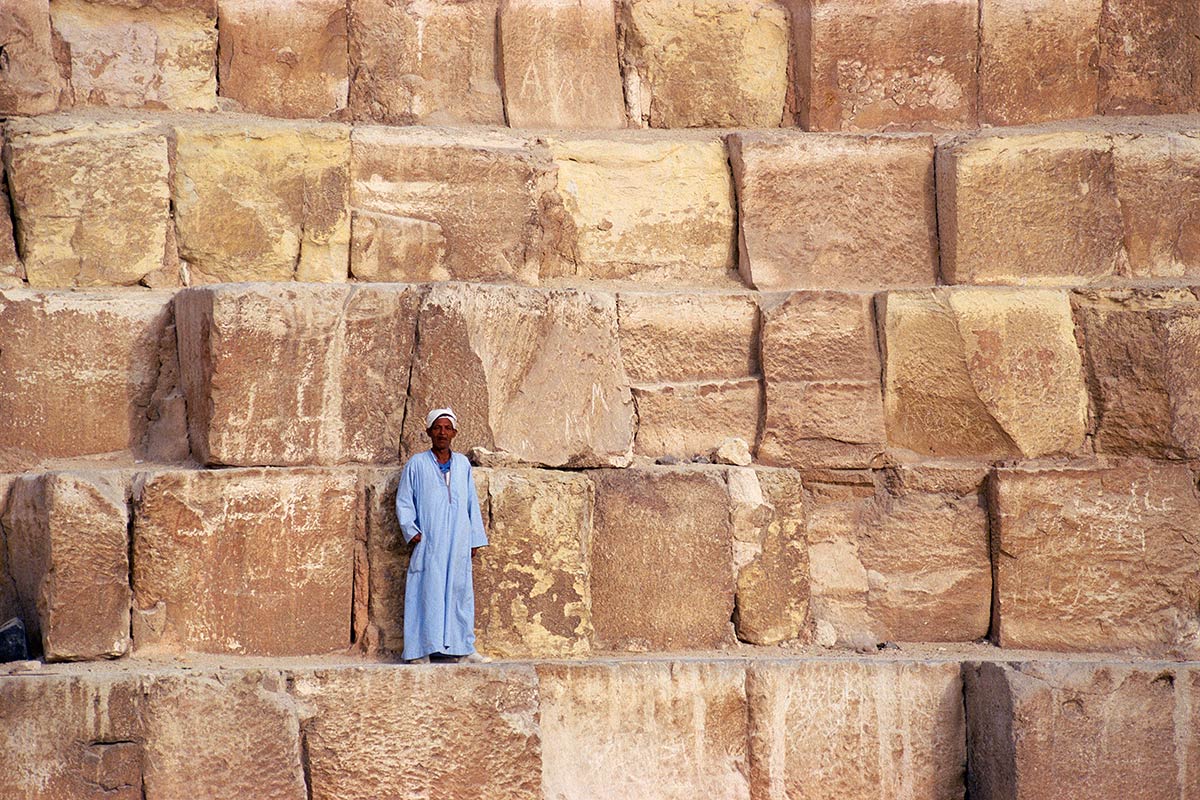
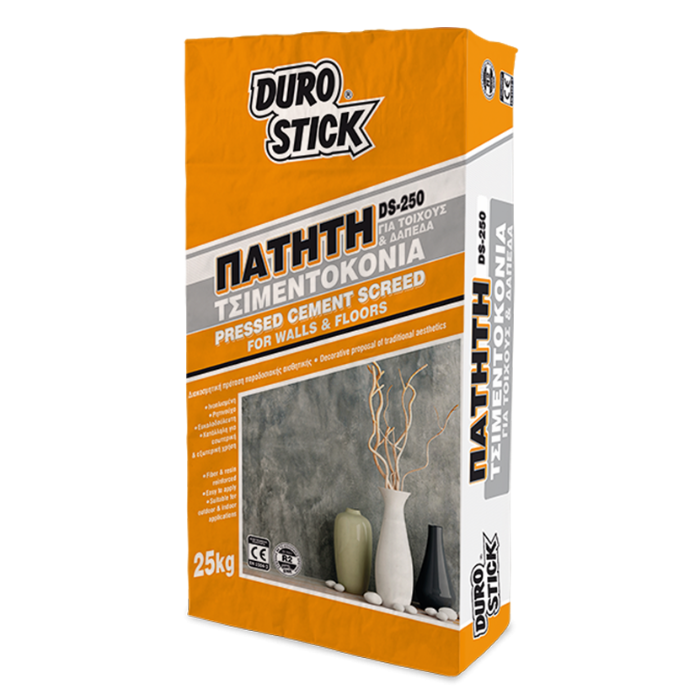
Καβαλάρης έγραψε: 02 Ιουν 2024, 13:47
fonfon έγραψε: 02 Ιουν 2024, 13:16Προς το παρόν αρχαίοι και επιστήμονες από όλο τον κόσμο δεν αμφισβητούν τα περί Αιγυπτίων.
Κάνουν λάθος.
fonfon έγραψε: 02 Ιουν 2024, 13:16Ο τρόπος κατασκευής που προτείνεις έχει πολύ μεγαλύτερες δυσκολίες κατασκευής και στο εξηγοϋν από πάνω.
Αυτά που γράφει ο
βλάκας είναι ΜΑΛΑΚΙΕΣ. Η μέθοδος έχει αποδειχθεί. Δεν είναι στα χαρτιά. Μια χαρά κατασκευάζονται ογκόλιθοι χωρίς κανένα πρόβλημα.
Για τα άγνωστα σύμβολα, κανένα σχόλιο;
Το κάνουν λάθος είναι φοβερό επιχείρημα.Αρχαίοι και επιστήμονες.Μόνο πεφωτισμένοι έχουν δίκαιο.
Τι ακριβώς απέδειξαν;Ότι έφτιαξαν 2-3 τούβλα και τα έβαλαν;
Τι ακριβώς τα σύμβολα;Με 2-3 σύμβολα δεν φτιάχνεις γλώσσα.Επίσης τα ιερογλυφικά δεν ήταν κάτι στάσιμο για χιλιάδες χρόνια.Μέσα στην διάρκεια των χρόνων μεταβλήθηκαν.Άλλοι πόσοι κλάδοι ασχολούνται και με αυτό το κομμάτι.
Egyptian hieroglyphs (/ˈhaɪrəˌɡlɪfs/, /ˈhaɪroʊˌɡlɪfs/)[1][2] were the formal writing system used in Ancient Egypt for writing the Egyptian language. Hieroglyphs combined logographic, syllabic and alphabetic elements, with more than 100 distinct characters.[3][4] Cursive hieroglyphs were used for religious literature on papyrus and wood. The later hieratic and demotic Egyptian scripts were derived from hieroglyphic writing, as was the Proto-Sinaitic script that later evolved into the Phoenician alphabet.[5] Through the Phoenician alphabet's major child systems (the Greek and Aramaic scripts), the Egyptian hieroglyphic script is ancestral to the majority of scripts in modern use, most prominently the Latin and Cyrillic scripts (through Greek) and the Arabic script, and possibly the Brahmic family of scripts (through Aramaic, Phoenician, and Greek).[not verified in body]
Hieroglyphs may have emerged from the preliterate artistic traditions of Egypt. For example, symbols on Gerzean pottery from c. 4000 BC have been argued to resemble hieroglyphic writing.[19]
Designs on tokens from Abydos, carbon dated to c. 3400–3200 BC.[20][21] They are similar to contemporary tags from Uruk.[22]
Proto-writing systems developed in the second half of the 4th millennium BC, such as the clay labels of a Predynastic ruler called "Scorpion I" (Naqada IIIA period, c. 33rd century BC) recovered at Abydos (modern Umm el-Qa'ab) in 1998 or the Narmer Palette (c. 31st century BC).[6]
https://en.wikipedia.org/wiki/Egyptian_hieroglyphs
The total number of distinct Egyptian hieroglyphs increased over time from several hundred in the Middle Kingdom to several thousand during the Ptolemaic Kingdom.
https://en.wikipedia.org/wiki/List_of_E ... ieroglyphs