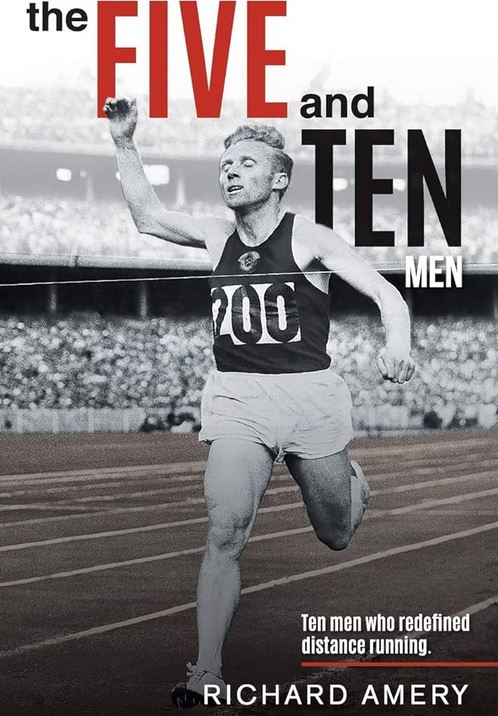
From Richard Amery‘s book
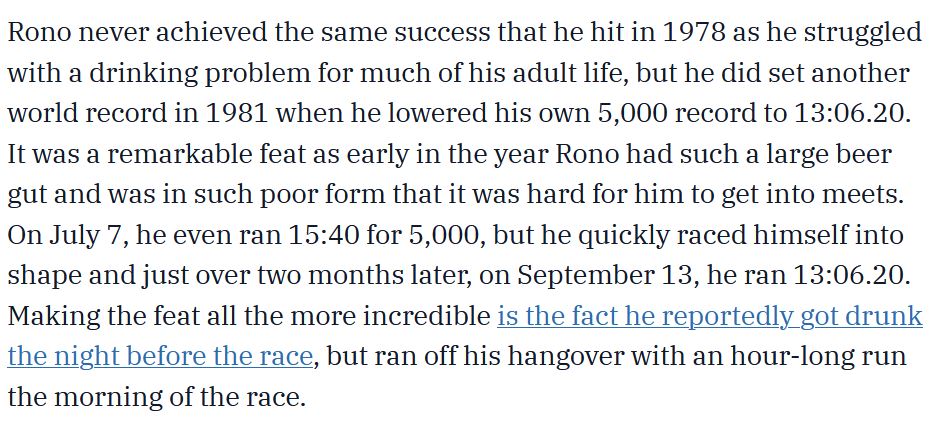
In early 1981, Henry it was hard to believe that he was the same athlete of three years earlier. His weight had gone up, his fitness had gone down, and the once clamorous European meet promoters saw him more as a liability than an asset.
His major sponsor – Nike – had sent him to Boulder, Colorado to try and have him sober up, and try to get in some sort of form for the upcoming European summer.
It seemed a hopeless task. He was greatly overweight, and resembled more an out of condition office worker than an athlete hoping to take on the world’s best in a few months.
Once in Europe, being accepted into races proved almost impossible. Meet directors took one look, and what they saw was not a pretty sight. Rather than the lean world beater of 1978, they saw someone several kilograms overweight with a pronounced beer gut.
In April, while training in Boulder, he met up with Steve Cram. He told a somewhat bemused Cram that he intended to break a world record during the European summer. One did not need to be a world class runner to see how unbelievable such a proposition was. Even more unbelievable was the fact that just over four months later, Cram himself would be pacing Rono in a race to do just that.
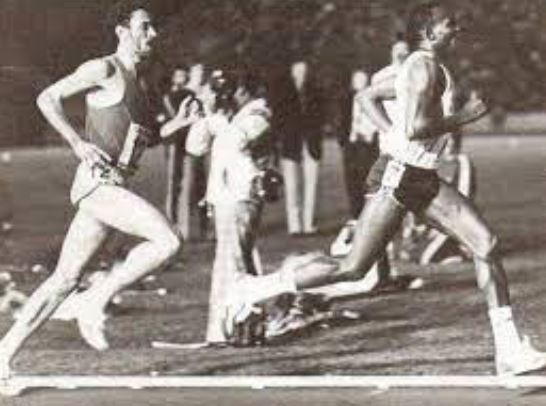
In September 13 in Knarvik, Norway, Henry was ready to make good on his promise to Steve Cram, made earlier in the year. Helped over the first four laps by British runners Cram, Ian Stewart, and James Espir, Rono then pulled steadily away. Until the final stages he set a remarkably even pace, with each of the first four kilometres taking between 2:38 and 2:38.5.
However, he clearly had something in reserve, running the final kilometre in 2:33.2, his last lap taking just 56 seconds, finishing in 13:06.20.
It would surely have been one of the great sporting comebacks of all time.
https://www.youtube.com/watch?v=f3wxU1s3yUg