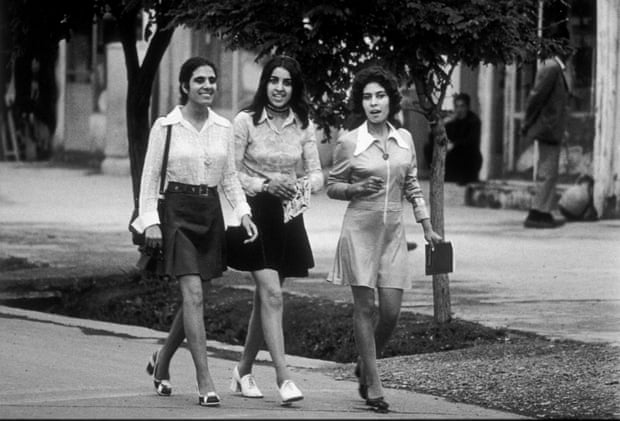
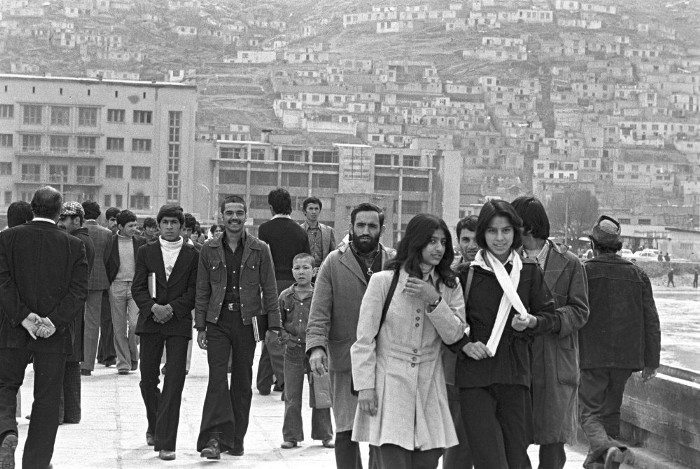
The second era of intense womenís reform occurred in the late 1970s. The 1970s saw a rise in
women's education, faculty in the universities, and representatives in the Parliament. (Dupree, 1986) The
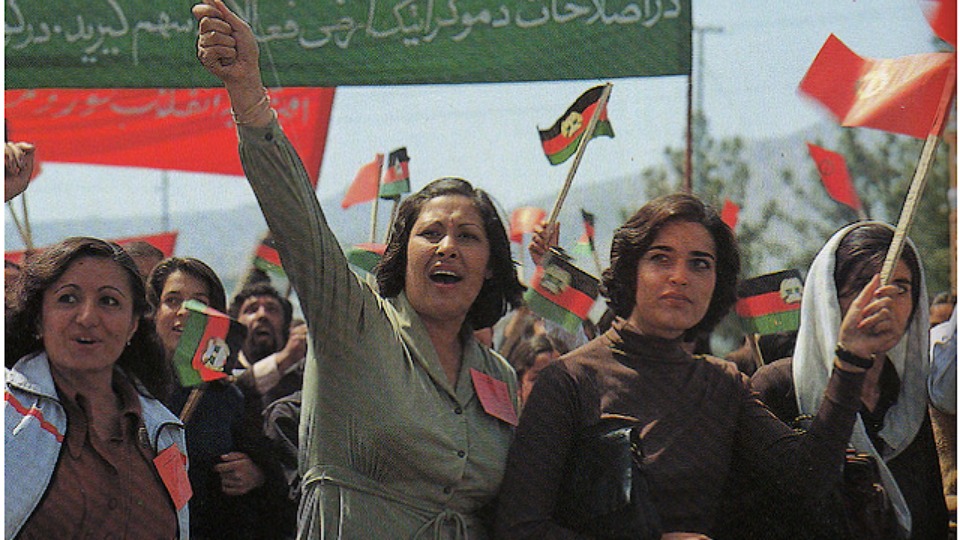
year 1978 saw the rise to power of the controversial PDPA. It is during the PDPA rule that rapid social
and economic change, echoing some of the 1920s themes, was implemented and mass literacy for
women and men of all ages was introduced. (Moghadam, 1997) Massive land reform programs, along
with abolition of bride price and raising of marriage age were also part of the PDPA agenda. In October
1978 a decree was issued with the explicit intention of ensuring equal rights for women. Minimum age
of marriage was set at 16 for girls and 18 years for boys. The content of decree number 7 and the
coercion of women into education were perceived by some as ìunbearable interference in domestic life.î
(Hanne, 1990) Again, the revolutionary pace of social change caused concern among the mullahs and
tribal chiefs in the interiors. They viewed compulsory education, especially for women, as going against
the grain of tradition, anti-religious and a challenge to male authority. As Moghadam (1997) reports,
incidents of shooting of women in western clothes, killing of PDPA reformers in the rural areas and
general harassment of women social workers increased
https://vc.bridgew.edu/cgi/viewcontent. ... ntext=jiws
shooting of women in western clothes, killing of PDPA reformers in the rural areas and
general harassment of women social workers
Και ξέρουμε όλοι ποιοι τις πλήρωναν αυτές τις σφαίρες και ποιοι μάθαιναν σημάδι στους πατριάρχες, τζιχαντιστές, θεοκράτες δολοφόνους.