Α μάλιστα, το λινκ δεν έχει ολόκληρη την έκθεση Ντούρνοβο προς τον Τσάρο. Πάντως και στο τμήμα που έχει, οι ΗΠΑ αναφέρονται μεν:Nero έγραψε: 12 Νοέμ 2018, 16:18 δεν είναι ολόκληρο τι διάβημα,την αναφέρει σε κάποια σημεία
υποθέτω ότι απλά δε χώραγε στο context του ήταν αρκετά συγκεκριμένο ή είχε πάρει στα σοβαρά το δόγμα της ουδετερότητας που κρατούσαν ή-το πιο πιθανό νομίζω- του ταυτίζει με του Άγγλους και τα συμφέροντά τους και δεν βλέπει τον λόγο να τους θεωρήσει ξεχωριστό πόλο,οστόσο είχε προβλέψει τον ανταγωνισμό με τις ΗΠΑ στο ΕιρηνικόRussia needs neither Korea nor even Port Arthur. An outlet to the open sea is undoubtedly useful, but
the sea in itself is, after all, not a market, but merely a road to a more advantageous delivery of goods
at the consuming markets. As a matter of fact, we do not possess, and shall not for a long time possess
any goods in the Far East that promise any considerable profits in exportation abroad. Nor are there
any markets for the export of our products. We cannot expect a great supply of our export commodities
to go to industrially and agriculturally developed America, to poor, but likewise industrial, Japan, or
even to the maritime sections of China and remoter markets, where our exports would inevitably meet
the competition of goods from the industrially stronger rival powers. There remains the interior of China,
with which our trade is carried on, chiefly overland. Consequently, an open port would aid the import of
foreign merchandise more than the export of our own products.
In a word, peaceable coexistence, nay, more, a close rapprochement, between Russia and Japan in
the Far East is perfectly natural, regardless of any mediation by England. The grounds for agreement
are self-evident. Japan is not a rich country, and the simultaneous upkeep of a strong army and a
powerful navy is hard for her. Her insular situation drives her to strengthen her naval power, and
alliance with Russia would allow her to devote all her attention to her navy, especially vital in view of
her imminent rivalry with America, leaving the protection of her interests on the continent to Russia. On
our part, we, having the Japanese navy to protect our Pacific coast, could give up once for all the
dream, impossible to us, of creating a navy in the Far East.
Spoiler
From the sum of these unfavorable factors we should deduct the Far East. Both America and Japan�the former fundamentally, and the latter by virtue of her present political orientation�are hostile to Germany, and there is no reason to expect them to act on the German side. Further more, the war, regardless of its issue, will weaken Russia and divert her attention to the West, a fact which, of course, serves both Japanese and American interests. Thus, our rear will be sufficiently secure in the Far East, and the most that can happen there will be the extortion from us of some concessions of an economic nature in return for benevolent neutrality. Indeed, it is possible that America or Japan may join the anti-German side, but, of course, merely as usurpers of one or the other of the unprotected German colonies.
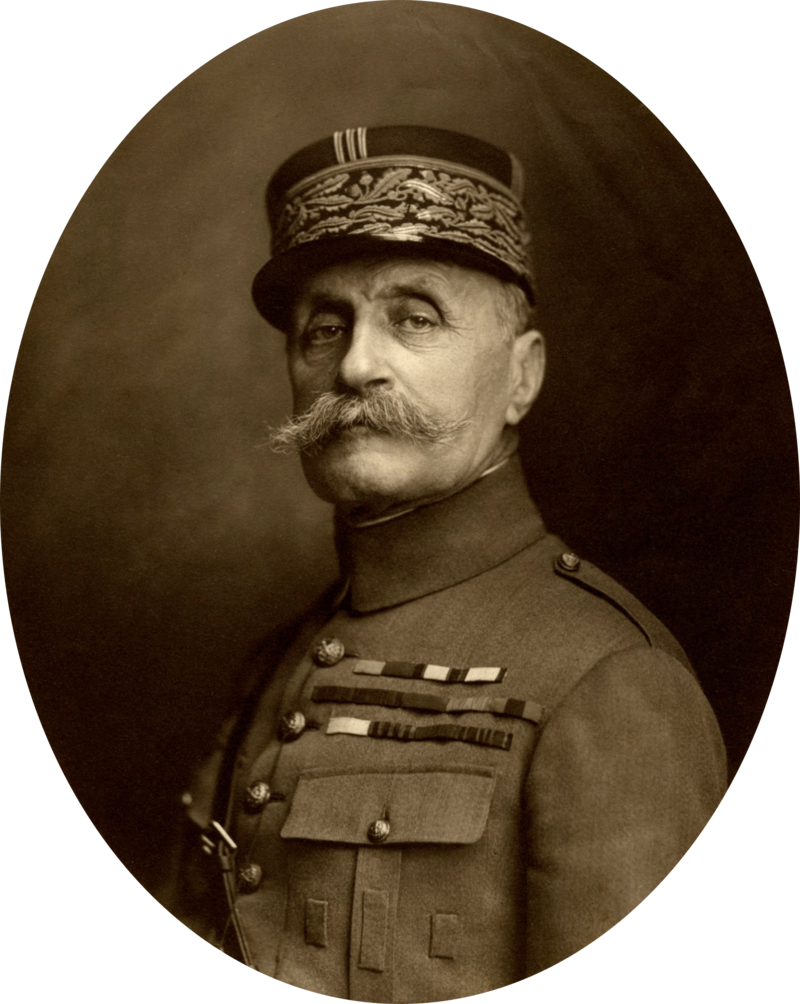
Προσωπικά πιστεύω ότι ο Ντούρνοβο θεωρούσε ότι ο -ήδη εκδηλωμένος από έναν αιώνα- αμερικανικός επεκτατισμός θα εξαντλούνταν στα πέριξ του (Μεξικό, Χαβάη, Κούβα, Φιλιππίνες, Παναμάς κ.ά), εφησυχασμένος ότι η εξωτερική πολιτική των ΗΠΑ θα καθοριζόταν από το δόγμα Μονρόε επ' άπειρον. Προφανώς και όντας τσαρικός Υπ. Εσωτερικών δεν είχε μελετήσει επαρκώς τον Μαρξ (
 ), το δε Ιμπεριαλισμός Ανώτατο Στάδιο του Καπιταλισμού ο Λένιν το εξέδωσε το 1917 που ο ίδιος είχε πεθάνει.
Να πω την αλήθεια, περισσότερο από την ρωσική ουδετερότητα που πρέσβευε ο Ντούρνοβο, περίμενα σχόλιο για το εξής προβοκατόρικο:

Κώδικας: Επιλογή όλων
... καλύτερα απέναντι στους Άγγλους και δίπλα στους Γερμανούς, όχι τούμπαλιν...